
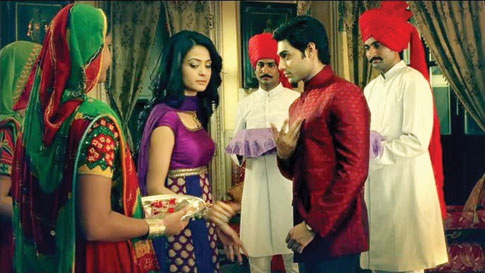
Indians who are about 25-30years now have faced a unique set of circumstances. They were born between 1980-1985 and thus have literally grown up in the post 91′ era. Their growing up experiences and the world around them is not a progression of the reality of the earlier generation but indeed a new reality.
A reality that in its urban context is characterized not only by cell phones, internets, malls, pubs, AC school buses, themed birthday bashes, rising rates of divorce, increasing salaries but also by mounting of expectations, stress and panic. Thus they end up experiencing a sense of plenitude and penury at the same time. And all this with no real time to take a long break!
As we look back at the last decade of liberalization led changes in India two things stand out. Our native logic and how it has survived in certain cases in spite of the global value onslaught and the emergence of the Neo Logic which is a clear harbinger of the change being experienced by India and Indians
Native Logic
We as Indians may be going global but as people and as consumers we still retain some unique native logic traits. Here are some examples.
Native values
Wanting more is acceptable only if you realize it bit by bit
Traditionally we have been frugal and conspicuous consumption has always been frowned upon. With the advent of new money thanks to globalization consumption patterns did change. However our innate discomfort with overt cues of consumption still remained. A middle ground was found by sachetising our new experience constructs. So we would “eat out once a week”, try the new flavour of chips in a “small pack”, buy our favorite new brand when there was “20% extra” This is different from fundamentally buying small. This is about justifying big buys, big shifts by invoking a gradual step up ladder.
Value is maximized by the amount of effort I have put in. A good bargain is the icing on the cake.
Our construct of gratification is intertwined with the concept of hard work. Smart ways of working is still a suspect and something we associate more with the younger generation. The new Idea 3G ad shows a couple on a shopping spree comparing prices and the husband willing to travel to another shop for an additional discount not taking into account the auto fare required. The 3G solution pitched as the smart way to get good deals is referred to as the New Idea.
Native consumers
Quality must be judged with my hands
From buying vegetables to dal to atta we prefer to touch and check the quality with our hands. Conventional wisdom that if it is packaged it must be good is not enough for the Indian housewife. If it feels good it must be good. I always check the dal with my hands. You can make out if there is anything mixed in it easily” (housewife in Delhi)
Even marketers have woken up to this uniquely Indian way of processing quality. Big Bazaar has an open area for dal, atta, spices reminiscent of the traditional Indian kirana shops that allow a consumer to touch and feel the good before they purchase the same. The vegetables and fruit section in most modern retail chains such as More, Big Bazaar, Reliance Fresh, Mother Dairy Safal is an open section that has loose vegetables to facilitate such tactile judgments.
Our need for touch is not just in terms of buying staples and vegetables. We prefer contact and people to people transactions
Face Value still more critical than Faceless Value irrespective of the credentials of the brand
I may say hello to a faceless person on the internet but I will pay money to someone only face to face. Modern retail formats may be offering space and experience but are still struggling with the conviviality and personalized home delivery (even 1-2 goods delivered) services of the local kirana stores. E commerce did not really take off till the concept of cash on delivery was introduced and now it appears that Flip Kart is taking it a step further by bringing card on delivery functions.
Neo Logic
Increasing exposure to global culture has resulted in the emergence of some interesting neo logic traits. Here are some examples.
1. I am the Master of the YOUniverse. I am entitled
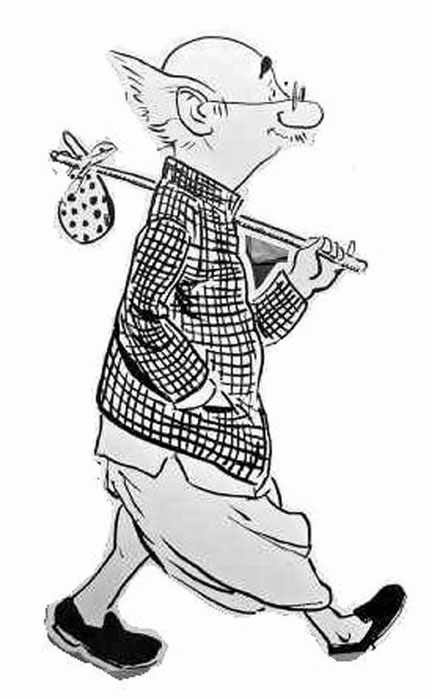
Historically society has followed the principle of might is right. People born into rich ness, higher caste did truly stand a better chance at successful future. Our past is best exemplified by RK Laxman’s Common Man who is a marginal and silent spectator to all things that happen around him.
The New Global Indian is significantly different from this common man. He/she is all about the league of the extra ordinary. The world centers around them and their self-perceptions are confident and optimistic. Their sense of entitlement is also more intuitive.
“Traditionally the sense of denial was stroked to keep people in control. But the new generation is born in different times and clearly has the means and access to challenge control leading to a greater sense of entitlement.” – Jitender Dabas Senior Vice President & Head of Strategic Planning at McCann Erickson
“I know I am the best and no one is going to tell me otherwise-“Amy, student
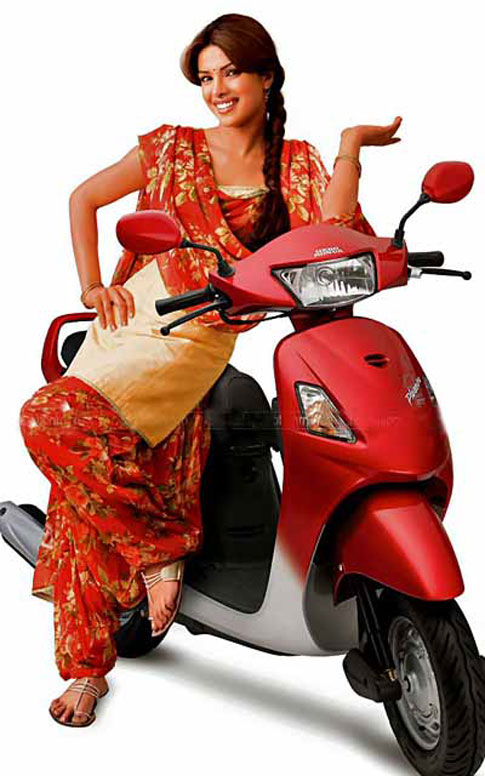
Even our advertising is playing up this newfound sense of entitlement. Boundaries are being pushed, restrictions being questioned though the tonality may differ across younger and older target groups. So you have Priyanka Chopra asking why should boys have all the fun in a Scotty Pep advert and Cadbury celebrating Shubh Arambh with a typical middleclass housewife donning her first pair of jeans and L’Oreal and Ash reminding us that we are worth it always.
2. I do have a choice …some at least
When we go back in time our professions were pretty much dictated by the family/ caste we were born into. Hindi films of the 50s,- 80s indicates that finding a job was indeed a very difficult task and If one got a job one usually retired from the same job as an embodiment of the lack of choice. Naukri.com clearly signals the revolution of professional choices through the Hari Sadoo series. The advert of Tata DoCoMo- You are Hired (on your own terms!) also takes the above point forward.
In the past our marriage decisions were taken by elders. It was not uncommon to have not met your spouse face to face till the time of marriage. Now the concept of Remixed Traditions allows us to date within the boundaries of an arranged marriage.
3. Exposure in the here and now makes me wise, not just experience that comes with age
We have mostly grown up with the belief that the old are wise and elders know best. Hindi movies have countless dialogues around “pitaji aap jo kehenge ,Maa aap ki iccha” etc.
Rapid pace of change, increasing diffusion between global and local, ever increasing technological advances however have significantly challenged these beliefs in modern times. The rise of the youdult is a testimony of this phenomenon. An youdult is typically a youth with a high exposure level to any new area of information and opportunity resulting in his/ her ability to speak from a position of being in the know. This exposure could be a function of the youth’s ability to better leverage new modes of learning (peer to peer), harness technology (internet, social media, search engines) and propagate himself as a quasi-expert (status updates, blogs, web promotions)
This exposure could also come about from an increasing lack of parenting – both intended and unintended. This is resulting in the kid taking independent decisions much sooner than in the past. Sometimes parents just don’t know enough about the world and issues that are affecting their children and claim a sense of helplessness. “These days we let him decide about his future because he knows more about the new courses etc.”- a parent in Kolkata.
At times the neo trends of trying to be friends with your children have meant that parents often stop short of reprimanding kids for fear of losing their friendship. Strict parents like Windows old versions becoming obsolete. Recently on the show Big Switch on Bindass which is based on the concept of super-rich kids getting a exposure to real life to better value their privileges one of the contestants actually confessed “I wish my father had slapped me when I was growing up, then I would not be this way”
So how can brands address this Native VS Neo swings?
The technology boom, the idea economy of the 90s/ 00s meant that for the younger TG their hard work is increasingly getting rewarded harder and faster. Their need for speed is seen as quasi fundamental need. Need to ensure that brands continue to evolve and reinvent constantly. They need to keep things real while building some aspiration is acceptable pushing the same towards fluff and gloss does not work.
Pretense is out of the window. As Indians get increasing confident in their own skin and shout out loud we are like this only, Credibility and authenticity will become the new buzzwords for brands.


